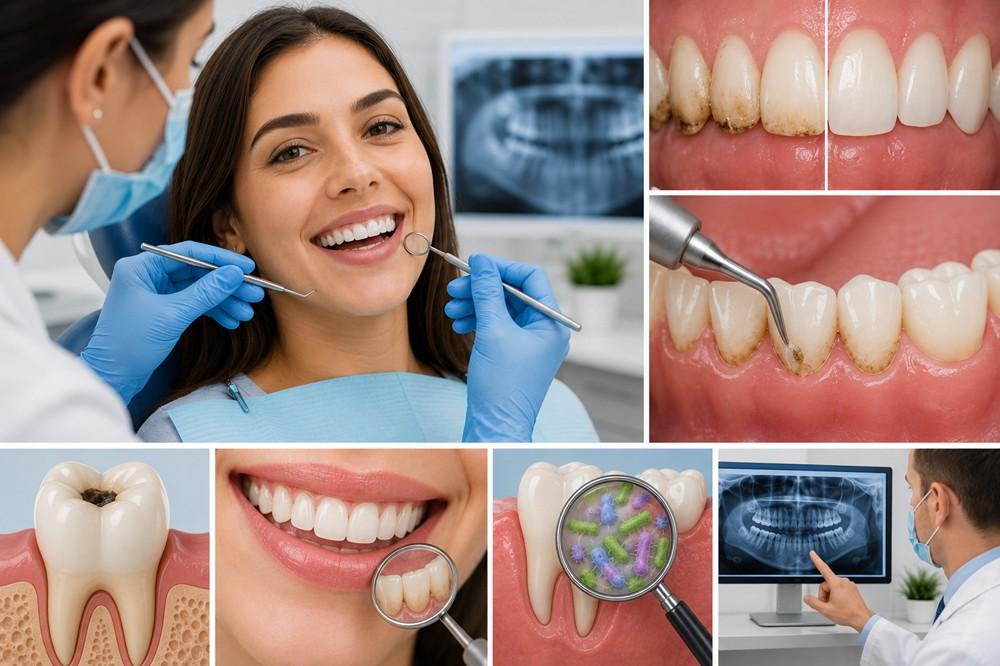

Can a dental exam help detect more than just cavities? While you may visit a dentist near you to clean your teeth and keep your smile healthy, a dental checkup can also help identify signs of other health problems. Changes in your gums, tongue, teeth, and other areas inside your mouth may sometimes be early warning signs of medical conditions that need further attention.
Regular dental visits are not only important for oral health but may also support overall wellness and early detection.
Why Are Dental Exams Important?
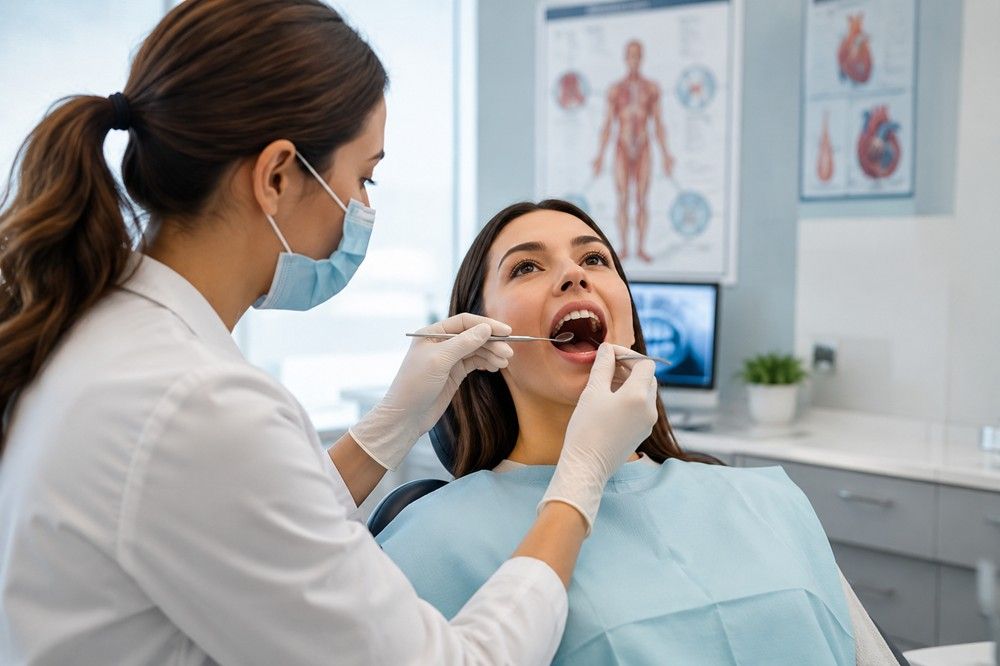
Dental exams near you help check the health of your teeth, gums, jaw, and the soft tissues inside your mouth. During a routine visit, dental professionals look for signs of infection, inflammation, and any unusual changes in the mouth.
Many people seeking dental checkups mainly want to avoid cavities, but dental exams can also help detect other health problems. These checkups can detect issues such as gum disease, mouth infections, and other changes in the mouth.
How Oral Health Connects to Overall Health
The mouth is closely connected to the rest of the body, and changes in the mouth can sometimes signal health problems. These may include conditions such as diabetes, vitamin deficiencies, immune system issues, hormonal changes, or stress-related habits. Regular dental checkups are important to notice any unusual changes early.
Signs of Diabetes That May Appear in the Mouth
These factors may be adversely affected by diabetes and might be noticed as early warning signs during examination.
Oral symptoms may include:
- Bleeding gums
- Dry mouth
- Slow healing process
- Increased tendency to develop infections
- Bad breath
Patients with untreated diabetes may also suffer from excessive gum inflammation.
Gum Disease and Heart Health
Research suggests a link between gum disease and heart health. Inflammation caused by unhealthy gums may affect overall health if left untreated. Common signs of gum disease include swollen gums, bleeding while brushing, gum recession, loose teeth, and persistent bad breath. Treating gum problems early may improve oral comfort and reduce systemic inflammation.
Oral Cancer Screening During Dental Exams
Many routine dental visits include an oral cancer screening. This simple and painless check looks for unusual sores, lumps, or tissue changes.
Dental professionals may examine:
- Tongue
- Gums
- Cheeks
- Roof of the mouth
- Throat area
Finding abnormal changes early can improve treatment outcomes.
Signs of Vitamin Deficiencies
Certain vitamin deficiencies may appear in the mouth before other symptoms become noticeable.
Common signs may include:
- Cracked lips
- Pale gums
- Mouth sores
- Burning tongue sensation
- Gum irritation
A dental exam may help identify signs that require further medical evaluation.
Teeth Grinding and Stress
Stress and anxiety can sometimes affect oral health. Many patients unknowingly grind or clench their teeth, especially during sleep.
Teeth grinding may lead to:
- Jaw soreness
- Headaches
- Tooth wear
- Cracked teeth
- Facial tension
Early detection can help prevent further damage.
Dry Mouth and Health Concerns
Saliva plays an important role in protecting the teeth and gums, as it helps remove harmful substances such as bacteria and food particles. Dry mouth may increase the risk of cavities and irritation.
The following are some factors that may cause dry mouth:
- Medication
- Diabetes
- Dehydration
- Autoimmune disorders
- Breathing techniques
Sleep Problems and Oral Health
Some dental signs may suggest breathing or sleep-related concerns.
Possible signs include:
- Teeth grinding
- Worn teeth
- Dry mouth
- Jaw discomfort
- Enlarged tongue or tissues
Poor sleep quality may affect both oral health and daily well-being.
What Happens During a Dental Exam?
A dental exam usually includes a complete check of the teeth, gums, tongue, jaw, and soft tissues.
The exam may include:
- Checking for cavities
- Examining gums
- Looking for tissue changes
- Oral cancer screening
- Evaluating bite and jaw function
Professional cleanings are often completed during the same visit.
How Often Should Dental Exams Be Scheduled?
You can benefit greatly from visiting a dentist in SW Edmonton every six months, though this depends on your individual needs.
Visits will aid in:
- Preventing plaque accumulation
- Keeping gums healthy
- Detecting any changes early
- Helping keep teeth healthier
- Requiring fewer treatments in the future.
Preventive dental care ensures good oral hygiene in the future.
Support a Healthier Smile and Overall Well-Being!
Regular dental exams do more than check for cavities and gum problems. They can also help identify early signs of other health concerns while supporting long-term oral wellness and daily comfort. Preventive care allows small issues to be noticed early before they become more serious. Book your appointment today with Rabbit Hill Dental Choice for personalized dental care focused on healthy smiles and long-term wellness.
FAQs
Could a dentist diagnose oral cancer during a checkup?
Yes, many checkups include an oral cancer screening to detect abnormalities in sores or tissues.
What are some signs and symptoms of gum disease?
Some signs include swollen, bleeding gums; halitosis; receding gums; and loose teeth.
What is the appropriate interval for scheduling dental checkups?
Most people will need examinations twice a year, but others may need to visit their dentist more often, depending on their dental health.
Do dental checkups diagnose non-dental health issues?
Yes, dental checkups can detect possible signs of diseases, including diabetes, nutritional problems, and oral cancer.