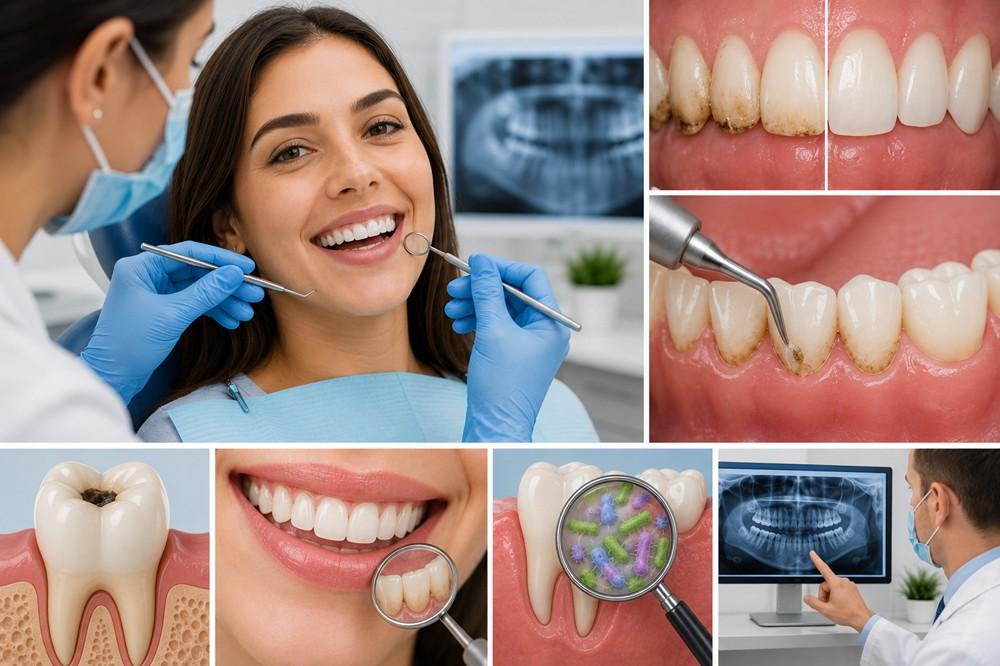

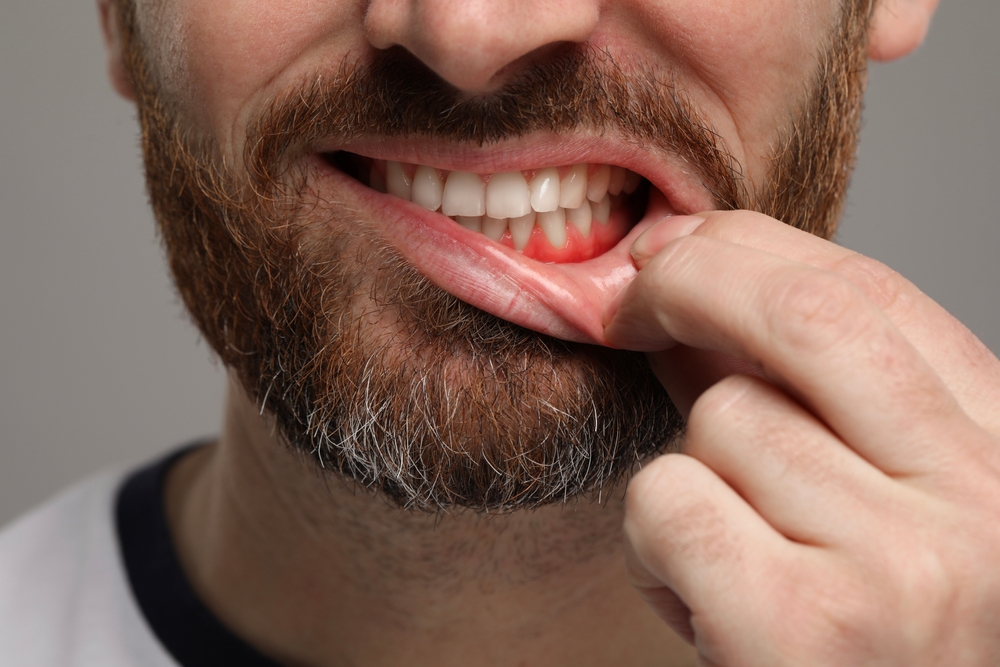
Have you ever felt a strange, fizzy, or prickly feeling in your mouth? It is a weird sensation that can make anyone feel a bit nervous.
While a little bit of sensitivity might happen after eating something icy, a tingle that won’t go away usually means your nerves are trying to tell you something important.
If you are noticing these odd feelings, visiting a dentist in SW Edmonton is the best way to find out why. Getting an expert to look at it early can stop a slight tingle from turning into a big, painful toothache.
Why Do My Gums and Teeth Tingle?
To understand why your mouth feels this way, you have to look at how your teeth and gums work. Your teeth have tiny nerves inside, and your gums are full of blood vessels.
When something bothers them, they react with a “pins and needles” feeling.
- Thin Enamel: If the hard outer shell of your tooth gets thin, the nerves inside feel everything more.
- Gums Pulling Away: When gums shrink back, they leave the roots of your teeth unprotected.
- New Dental Work: It is normal to feel a bit of a “buzz” after getting a new filling while the tooth settles.
- Cold or Allergies: Sometimes, sinus pressure can push on your upper teeth, making them feel like they are vibrating.
Early Signs of Gum Issues
If you are wondering, “why do my gums tingle?” The answer might be the very start of gum irritation. When germs sit on the gum line, they cause swelling.
This extra blood moving to the area can create a pulsing or tickling feeling.
- Itchy Feeling: This often happens just before your gums start bleeding when you brush.
- Cold Air: A tingly feeling when you breathe in cold air is a classic sign of gum trouble.
- Red Colour: If the tingly spot looks darker red than the rest of your mouth, it is likely irritated.
For people dealing with regular swelling, getting Gum Disease Treatment in SW Edmonton can stop the tingling and keep your teeth strong.
Common Causes of Tooth Tingles
A tingling sensation in teeth is usually different from a sharp pain. It feels more like a low-grade electric current.
This often happens because the soft middle part of your tooth is slightly damaged but not fully decayed yet.
- Tiny Cracks: A tiny crack can let sugar or cold air reach the nerve, causing a quick tingle.
- Grinding Your Teeth: If you clench your jaw at night, the pressure can “bruise” the area around your teeth.
- Whitening Strips: Using too many whitening products can temporarily bother the nerves inside your teeth.
- Sour Foods: Too many lemons or sodas can soften your enamel, leading to that fuzzy feeling.
Comparing Tingling to Real Pain
It can be hard to know whether to call the dentist or wait. Usually, tingling is a “warning light,” while sharp pain is a “stop everything” emergency.
Symptoms and What They Mean
| What You Feel | Likely Cause | What to Do |
| Quick Tingle (from cold) | Minor Sensitivity | Mention it at your next checkup. |
| Constant Fizzy Feeling | Early Gum Irritation | Book an appointment soon. |
| Pulsing or Throbbing | Possible Infection | See a dentist right away. |
| Tingle when Biting | Small Crack | Have it checked this week. |
How a Dentist Can Help
You shouldn’t ignore a feeling that lasts more than a few days. Searching for Gum disease treatment near you is a smart move if you notice the tingling is moving across your whole jaw.
- Professional Cleaning: A pro can remove the hard tartar that is bothering your nerves.
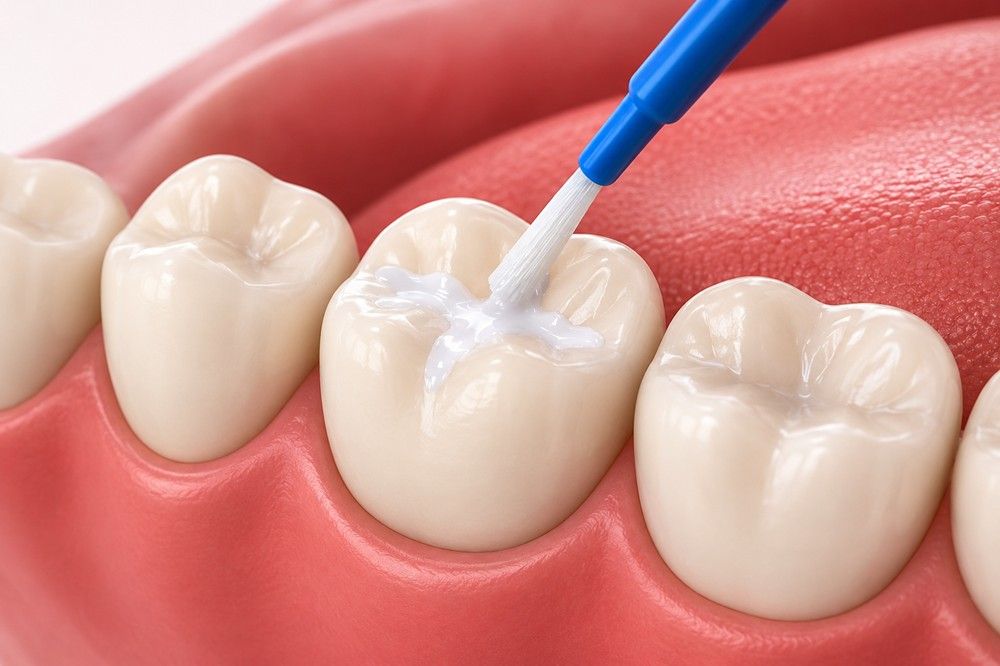
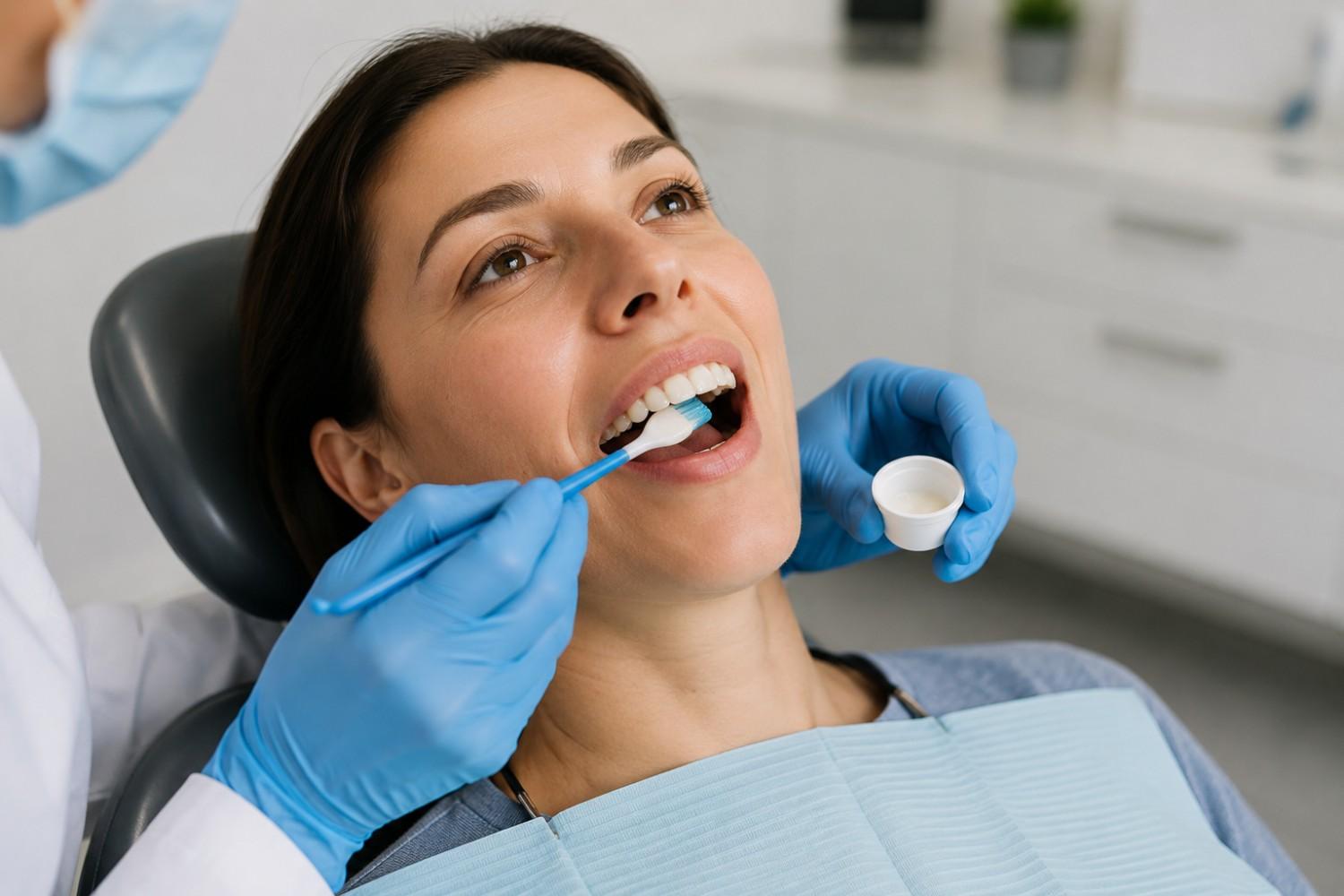
- Fluoride Treatment: This helps “plug” tiny holes in your enamel to stop feelings from reaching the nerve.
- Night Guards: If you grind your teeth, a custom guard will take the pressure off your teeth.
- Checking Fillings: A dentist can make sure an old filling hasn’t started to leak.
Simple Ways to Relax Your Mouth at Home
While you wait for your appointment, there are a few things you can do to keep your mouth calm.
- Use Sensitive Toothpaste: Switch to a sensitive toothpaste to help block nerve signals.
- Brush Gently: Stop scrubbing so hard! Use a soft brush and move in gentle circles.
- Salt Water Rinse: A warm saltwater rinse can help reduce swelling and kill some germs.
- Avoid Triggers: Stay away from ice-cold drinks or very sugary snacks for a few days.
Get Peace of Mind for Your Smile
Feeling something weird in your mouth can be annoying, but it is usually your body’s way of asking for a little help.
By catching these signs early, you can avoid more expensive, painful treatments later. Whether you need a cleaning or a little extra gum care, finding the cause will help you feel comfortable again.
At Rabbit Hill Dental Choice, we are here to listen to your concerns and find the proper fix for you. Our team wants to help you get back to a tingle-free smile. Come see us today.
Frequently Asked Questions
Can stress make my gums tingle?
Yes, stress often makes people grind their teeth or have a dry mouth, which can lead to tingling.
Is tingling a sign of a cavity?
It can be! A tingle is often the first sign of a small hole before it gets deep enough to really ache.
Should I worry if the tingle goes away?
If it happens once and stops, you’re likely fine. If it keeps coming back, you should get it checked.
Can a vitamin deficiency cause this?
Yes, not getting enough Vitamin B12 or Zinc can cause strange tingling or burning feelings in your mouth.